
If you run a small business, you have probably seen endless hype around AI agents. The problem? Most advice is either too technical or too vague.
This guide gives you a practical 30-60-90 day rollout plan so you can start small, reduce risk, and see real results.
What AI agents actually are (without the buzzwords)
Think of an AI agent as software that can do multi-step work toward a goal, not just answer one prompt.
A chatbot gives you information. An AI agent can take action: summarize leads, route tickets, draft replies, update records, and trigger workflows.
For small teams, this matters because it removes repetitive work from already-stretched staff.
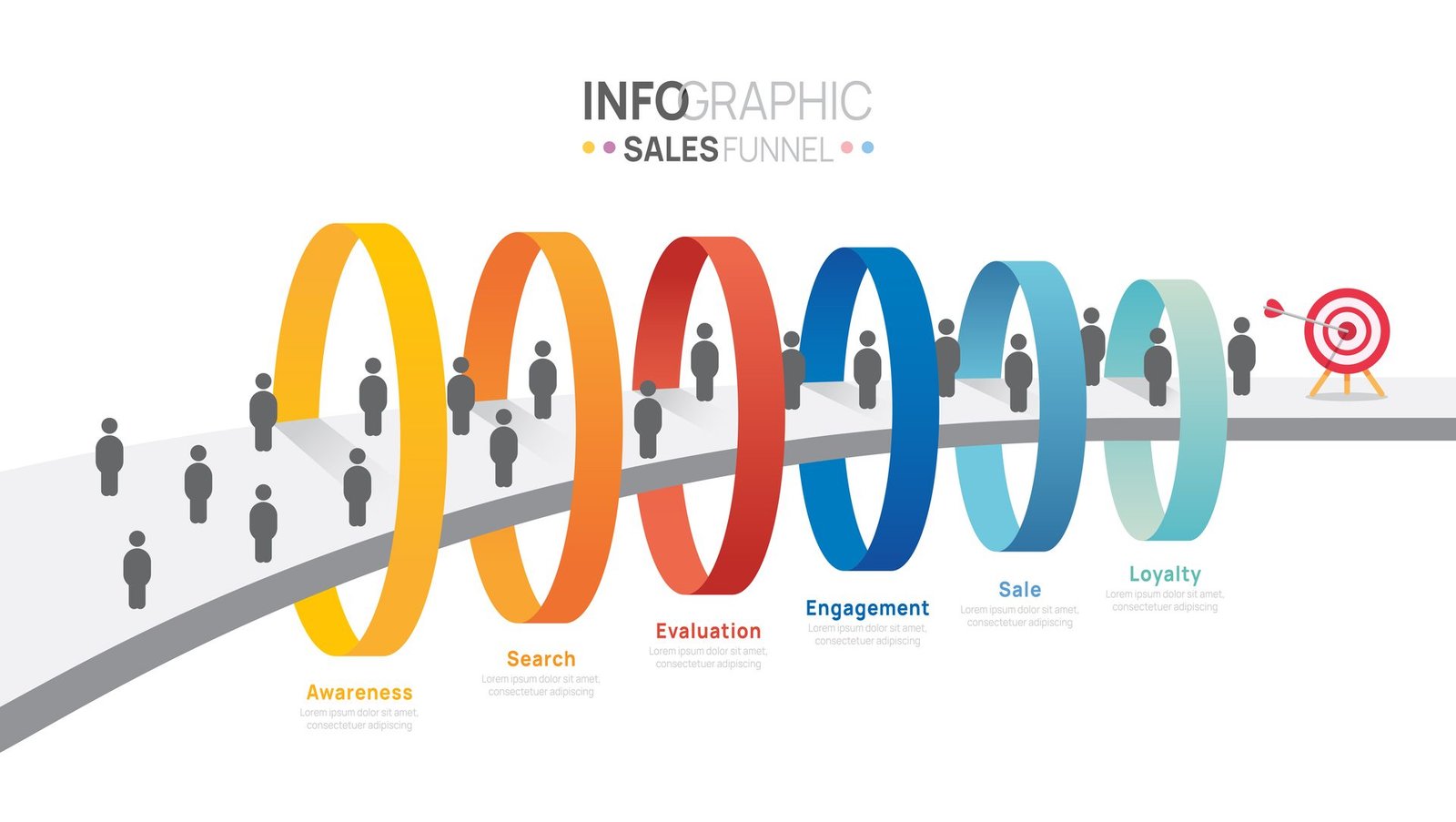
Do not automate everything at once. One workflow done properly beats five half-working automations.
Where small businesses get quick wins first
Start where work is repetitive, rules are clear, and mistakes are easy to catch.
- Customer support: triage and draft responses
- Sales ops: follow-up summaries and CRM hygiene
- Admin: meeting notes, SOP drafting, internal FAQs
- Reporting: weekly status rollups
Avoid high-risk areas at first (legal commitments, financial approvals, sensitive HR decisions).
Your 30-60-90 rollout plan
Days 1-30: Audit and pilot
Goal: Find one high-value workflow and launch a contained pilot.
- List repetitive tasks your team does weekly
- Score tasks by time drain, error rate, and business impact
- Pick one pilot workflow with clear boundaries
- Define success metrics
- Set human-in-the-loop approval
Deliverable: One pilot running with a documented process owner.
Days 31-60: Integrate and train
Goal: Connect the pilot to real tools and make adoption stick.
- Integrate with your stack (CRM, helpdesk, docs)
- Write rules for what the agent can and can’t do
- Train the team on prompts and escalation
- Create fallback paths for low-confidence output
- Review logs weekly and improve prompts
Deliverable: Pilot integrated into daily workflow.
Days 61-90: Scale and measure ROI
Goal: Expand to one or two more workflows and prove business value.
- Add a second workflow only when pilot KPIs are stable
- Track baseline vs post-AI metrics
- Measure turnaround time, quality consistency, cost per task
- Tighten governance: permissions, audit trail, data boundaries
- Set next-quarter scale plan
Deliverable: Repeatable AI operating model with measurable ROI.
Common mistakes that kill AI projects
- Starting with too many use cases at once
- No success metric before launch
- No process owner
- No human review in early phase
- Treating AI as “set and forget”
A simple starter checklist
- One clear pilot workflow
- Named workflow owner
- Weekly review cadence
- Escalation path for bad outputs
- Permissions and data handling rules
- KPI dashboard (even a simple sheet)
Final thought
AI agents can absolutely help small businesses in 2026, but only if you roll them out like operations, not experiments.
Start with one workflow, measure it, improve it, then scale. That’s how small teams win with AI.
Need help choosing your first AI-agent workflow? Zero2AI can help you map, pilot, and scale safely with a practical implementation plan. Learn more on our AI Agent Vault page.